Understanding the cost of an Energy Performance Certificate (EPC) in the UK is essential for property owners. This certificate is a legal requirement for selling or renting properties. The fees can vary considerably, influenced by several factors. Knowing these costs can aid in financial planning. However, many are unaware of the significance that affects pricing. What should property owners consider when budgeting for an EPC?
Key Takeaways
- The average cost of an Energy Performance Certificate (EPC) in the UK ranges from £80 to £120, depending on property size and location.
- Factors such as property type, geographic location, and assessor’s qualifications can influence EPC pricing.
- Smaller residential properties typically face lower fees, while larger or commercial buildings may be more expensive to assess.
- Urgency in obtaining an EPC may lead to additional costs, reflecting the need for expedited services.
- Understanding EPC costs is essential for budgeting compliance when selling or renting properties in the UK.
What Is an Energy Performance Certificate (EPC)?
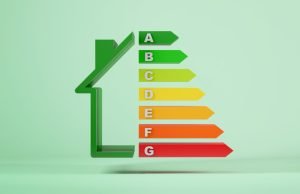
An Energy Performance Certificate (EPC) serves as an essential document that assesses the energy efficiency of a property. This certificate provides a thorough evaluation, assigning a rating from A to G, with A representing the highest efficiency and G the lowest. The assessment considers various factors, including insulation, heating systems, and the overall energy consumption of the property. A qualified energy assessor conducts the evaluation, utilising standardised methodologies to guarantee accuracy and consistency.
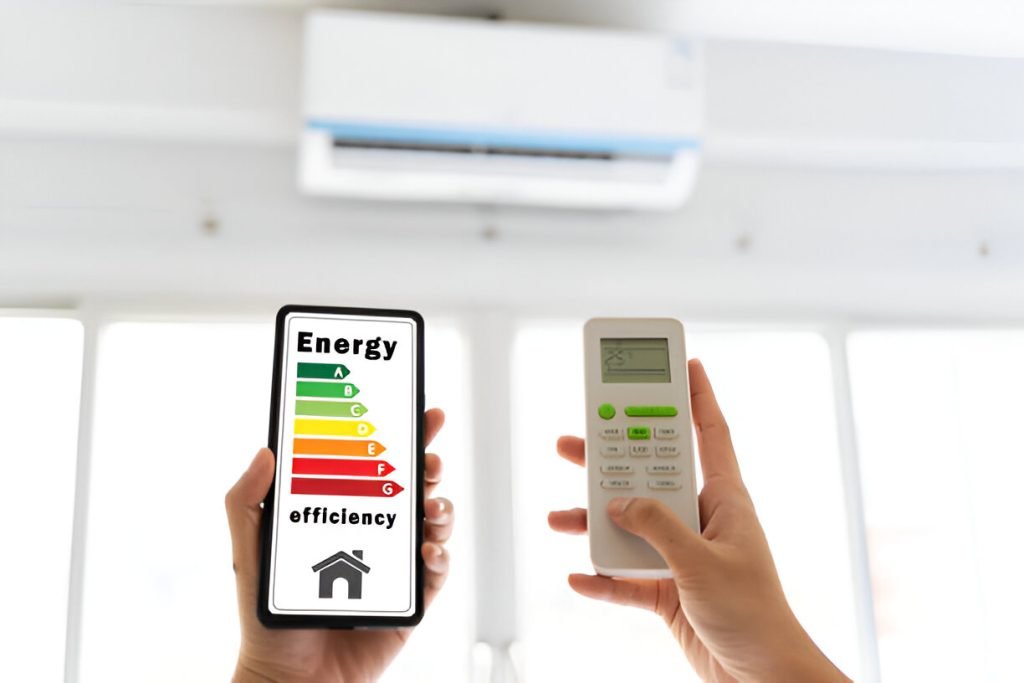
The EPC also includes recommendations for improving energy efficiency, enabling property owners to make informed decisions. By understanding the implications of an EPC, stakeholders can better navigate regulations and enhance property value while contributing to broader environmental goals. Consequently, the EPC is integral in modern property management.
Why Do You Need an EPC?
Why is an Energy Performance Certificate (EPC) essential for property owners? An EPC provides a thorough assessment of a property’s energy efficiency, offering insights into improvements. This certification is a legal requirement for selling or renting properties in the UK, ensuring compliance with regulations.
Moreover, an EPC promotes transparency, enabling prospective buyers or tenants to make informed decisions based on energy costs and environmental impact. A higher EPC rating can enhance property value and attract environmentally conscious occupants, while poor ratings may deter interest. An EPC fosters transparency, empowering buyers and tenants to consider energy costs and sustainability when making property decisions.
Additionally, energy-efficient properties often suffer lower utility bills, contributing to long-term financial savings. Consequently, obtaining an EPC is not just a legal requirement but a wise investment in property management and sustainability.
Factors Influencing EPC Costs
The cost of obtaining an Energy Performance Certificate (EPC) can vary considerably based on several factors. Primarily, the size and type of the property play key roles; larger or more complex structures typically require more precise assessments, thereby increasing costs.
Additionally, geographic location influences pricing, as urban areas may command higher fees due to increased demand for certified assessors. The assessor’s qualifications and experience can also affect the overall cost, with more seasoned professionals often charging premium rates. Moreover, the urgency of obtaining the EPC may lead to additional fees for reliable services.
Finally, the current energy efficiency of the property can necessitate a thorough assessment or recommendations, further impacting the final cost of the EPC.
Average Cost of an EPC in the UK
Energy Performance Certificates (EPCs) in the UK typically range in cost from £80 to £120, depending on various factors such as property size and location. The average price reflects the complexity of the assessment and the qualifications of the assessor. Smaller residential properties generally experience lower fees, whereas larger or commercial buildings may command higher prices due to the increased time and expertise required for evaluation.

Additionally, geographic variations can influence costs, with urban areas often seeing higher pricing structures. Property owners need to understand these averages to budget effectively for compliance with energy efficiency regulations.
How to Choose an EPC Assessor
Selecting the right EPC assessor is an integral step after understanding the associated costs of obtaining an Energy Performance Certificate. When choosing an assessor, one should prioritise qualifications and accreditation, ensuring they are certified by a recognised body, such as the Energy Performance of Buildings Directive.
Experience in the specific type of property is vital; assessors familiar with residential, commercial, or industrial buildings will be more adept at identifying energy efficiency measures. Additionally, reviews and testimonials can provide insights into an assessor’s reliability and professionalism. It is also advised to inquire about their methodology and the tools they employ, as this can impact the quality of the assessment. Ultimately, a well-informed choice can lead to a more accurate and beneficial EPC outcome.
Potential Additional Costs to Consider
Obtaining an Energy Performance Certificate (EPC) often involves costs beyond the initial assessment fee. Property owners should be aware of potential additional expenses that can arise during the process. These may include: Property owners should anticipate extra costs, such as repairs and documentation fees, during the EPC process.
- Repairs and Improvements: Necessary upgrades to meet minimum energy efficiency standards.
- Reassessment Fees: Costs are obtained if a property does not achieve a satisfactory rating after initial evaluation.
- Documentation Charges: Fees for compiling and submitting required energy performance data.
- Consultation Services: Expenses for expert advice on optimising energy efficiency or managing regulatory requirements.
Benefits of Obtaining an EPC
A valid Energy Performance Certificate (EPC) offers numerous advantages for property owners and potential buyers. First and foremost, it enhances property marketability by showcasing energy efficiency ratings, which increasingly influence buyer decisions. Moreover, an EPC can help identify potential cost savings through energy-efficient improvements, ultimately leading to reduced utility bills. Additionally, the presence of an EPC is often a legal requirement when selling or renting a property, ensuring compliance with regulations.
| Advantage | Description | Impact |
| Increased Marketability | Higher interest from energy-conscious buyers | |
| Cost Savings | Identifies energy-efficient upgrades | Reduced energy bills |
| Regulatory Compliance | Meets legal requirements for transactions | Avoids penalties |
| Enhanced Property Valu | Energy efficiency can elevate property value | Long-term financial gain |
| Environmental Responsibility | Promotes sustainable living practices | Positive social impact |
Frequently Asked Questions
How Long Is an Energy Performance Certificate Valid For?
The validity of an energy performance certificate (EPC) spans ten years. After this period, property owners must obtain a new EPC to guarantee compliance with energy efficiency regulations and maintain accurate assessments for prospective buyers or tenants.
Can I Get an EPC for a Commercial Property?
Obtaining an Energy Performance Certificate (EPC) for a commercial property is indeed possible. It is essential for compliance with regulations, ensuring that the property meets energy efficiency standards, thereby impacting its marketability and operational costs considerably.
Are There Penalties for Not Having an EPC?
Penalties exist for failing to obtain an Energy Performance Certificate (EPC), potentially resulting in fines and restrictions on property transactions. Compliance is essential for property owners to avoid legal consequences and guarantee marketability.