If you’re a property owner in 2025, it’s important to understand the EPC cost in the UK. On average, getting an Energy Performance Certificate (EPC) will set you back between £70 and £120. The exact price can vary depending on things like the size of your property, where it’s located, and how quickly you need the certificate. Keep in mind, though, that this range doesn’t always cover all the costs involved—so it’s worth knowing what to expect before you book.
Key Takeaways
- The projected average cost for an EPC in the UK in 2025 ranges from £70 to £120.
- Costs may vary based on property size, complexity, and geographic location.
- Urban areas, especially London, typically experience higher EPC assessment fees.
- Additional expenses may arise from necessary energy efficiency improvements and administrative fees.
- Demand for energy-efficient properties and compliance regulations could influence pricing fluctuations.
Understanding Energy Performance Certificates (EPCs)
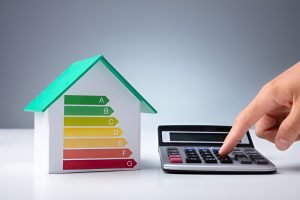
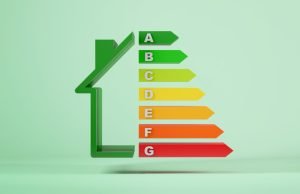
Energy Performance Certificates (EPCs) serve as significant documents that assess the energy efficiency of residential and commercial properties in the UK. These certificates provide a standardized evaluation, assigning properties a rating from A (most efficient) to G (least efficient). The assessment considers various factors, including insulation, heating systems, and energy consumption patterns. EPCs assign properties a rating from A to G, evaluating factors like insulation, heating systems, and energy consumption.
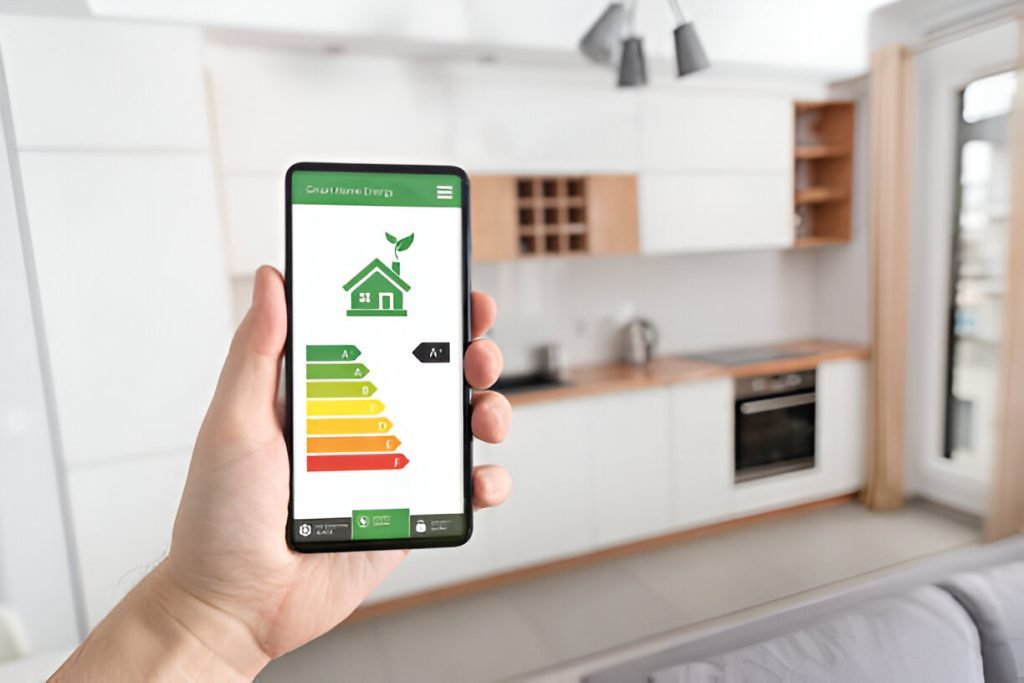
EPCs are essential not only for compliance with legal requirements but also for informing potential buyers or tenants about energy costs and environmental impacts. Additionally, they encourage property owners to implement energy saving measures, ultimately enhancing property value and sustainability. Understanding EPCs is critical for stakeholders aiming to navigate the complexities of energy efficiency within the real estate market effectively.
Factors Influencing EPC Costs
Several factors can greatly influence the cost of obtaining an Energy Performance Certificate (EPC) in the UK. Primarily, the size and complexity of the property play significant roles larger or more intricate buildings often necessitate more thorough assessments, resulting in higher fees. Additionally, geographic location can affect costs, with urban areas typically commanding higher prices due to increased demand for assessors.
The experience and qualifications of the assessor also contribute to varying prices, as specialized expertise may warrant premium rates. Moreover, the urgency of the request may lead to expedited services, further elevating costs.
Finally, any required remedial works to improve energy efficiency before certification can substantially impact the overall expenditure associated with obtaining an EPC.
Average Cost of an EPC in 2025
As the demand for Energy Performance Certificates (EPCs) continues to evolve, the average cost of obtaining one in the UK for 2025 is projected to reflect a combination of market trends and regulatory changes. Analysts anticipate that, while the base cost may remain around £70 to £120, fluctuations may occur due to increased demand for energy efficient properties and updates to compliance regulations.
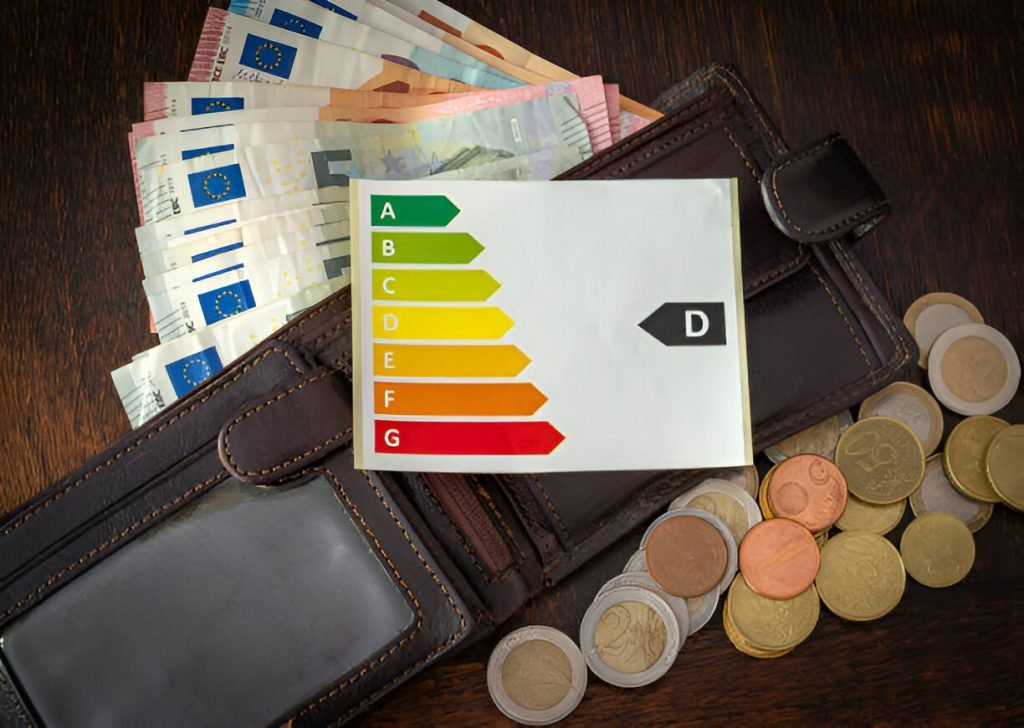
Additionally, the integration of digital tools in the assessment process could streamline operations, potentially lowering costs for consumers. However, heightened awareness surrounding sustainability may drive professionals to charge premium rates for more extensive services.
Consequently, stakeholders should prepare for a landscape where EPC pricing may vary widely, influenced by the interplay of these factors in the upcoming year.
Regional Variations in EPC Pricing
Regional variations in EPC pricing can greatly impact the overall cost of obtaining a certificate across the UK. Factors such as local demand for energy assessments, availability of qualified assessors, and regional economic conditions contribute to these discrepancies.
For instance, urban areas, particularly in London, often exhibit higher EPC costs due to increased competition and higher operational expenses for assessors. Conversely, rural regions may present lower fees, attributed to decreased demand and fewer assessors.
Additionally, variations in property types and sizes across regions can influence assessment complexity, further affecting pricing. Understanding these regional nuances is essential for homeowners and landlords aiming to navigate the EPC landscape effectively and make informed financial decisions regarding energy efficiency improvements.
Additional Costs Associated With EPCS
When obtaining an Energy Performance Certificate (EPC), homeowners and landlords should be aware that the initial assessment fee is not the only cost involved. Additional expenses may arise from necessary improvements to enhance the property’s energy efficiency. For instance, if the EPC rating indicates inadequate insulation or outdated heating systems, upgrading these elements incurs further financial commitments.
Furthermore, there may be administrative fees associated with registering the EPC or obtaining subsequent inspections. In some cases, ongoing compliance costs could emerge, especially if the property is subject to specific energy legislation. As a result, it is essential for property owners to budget for these potential additional costs when pursuing an EPC, ensuring a thorough understanding of the overall financial implications.
The Importance of EPCs for Homeowners and Landlords
Energy Performance Certificates (EPCs) serve an essential role for homeowners and landlords by providing a clear assessment of a property’s energy efficiency. These certificates are pivotal in guiding property decisions, influencing marketability, and ensuring compliance with legislative requirements. A high EPC rating can enhance a property’s value, appealing to environmentally conscious buyers and tenants.
EPCs are crucial for property decisions, boosting marketability and compliance, while high ratings attract environmentally conscious buyers and tenants. Conversely, low ratings may necessitate costly improvements to meet minimum energy performance standards, particularly in the rental sector. Additionally, EPCs contribute to broader environmental goals by promoting energy conservation and reducing carbon footprints.
For landlords, maintaining an ideal EPC rating is vital not only for legal compliance but also for retaining tenants who prioritize sustainable living environments, thereby fostering long-term occupancy stability.
How to Obtain an EPC and What to Expect
Obtaining an Energy Performance Certificate (EPC) involves a straightforward process that homeowners and landlords can navigate with relative ease. The initial step requires scheduling an appointment with a qualified energy evaluator, who will appraise the property. Following this, the evaluator generates a report detailing the energy efficiency and potential improvements.
| Step | Description | Estimated Timeframe |
|————————–|————————————–|———————–|
| Schedule Assessment | Contact an accredited evaluator | Within 1-2 days |
| Property Evaluation | Evaluator inspects the property | 1-2 hours |
| Report Generation | Analyzing data compiled | 1-2 days |
| Receive EPC | Digital certificate issued | Immediate post-report |
| Implement Recommendations | Consider suggested improvements | Ongoing |
This structured approach guarantees clarity and efficiency throughout the EPC acquisition process.
Frequently Asked Questions
Do EPCs Have an Expiration Date or Validity Period?
Energy Performance Certificates (EPCs) possess a validity period of 10 years. After this duration, a new assessment is required to guarantee the property’s energy efficiency rating remains accurate and reflective of current standards and regulations.
Can I Appeal an EPC Rating I Disagree With?
Disputing an EPC rating is possible through a formal appeal process, which typically involves providing evidence to support the disagreement. Engaging with certified assessors or regulatory bodies can enhance the likelihood of a successful appeal.
Are There Penalties for Not Having an EPC?
Failure to obtain an Energy Performance Certificate (EPC) may result in penalties, including fines for landlords and property sellers. Compliance is essential to avoid legal repercussions and guarantee transparency in energy efficiency standards.