Energy Performance Certificates (EPC) are essential for landlords and property sellers. They provide important information about a property’s energy efficiency, which is rated from A to G. Understanding the Energy Performance Certificate cost is critical for effective budgeting. Various factors influence these costs, including property size and location. As property owners assess their options, they may wonder what specific elements contribute to these expenses and how they can optimize their investments.
Key Takeaways
- EPC costs vary based on property size, with small properties costing £70-£100 and large properties costing £150-£250.
- Location significantly affects EPC pricing, with urban areas typically experiencing higher fees due to increased demand for assessors.
- The complexity of a property influences assessment costs; unique features may require additional analysis, raising overall expenses.
- Additional costs may arise from necessary repairs or follow-up assessments to meet energy efficiency standards.
- Budgeting for EPC expenses is crucial, considering both assessment fees and potential upgrades for compliance with energy regulations.
Understanding Energy Performance Certificates (EPC)
Although Energy Performance Certificates (EPC) may seem like a bureaucratic requirement, they play an essential role in evaluating the energy efficiency of buildings.
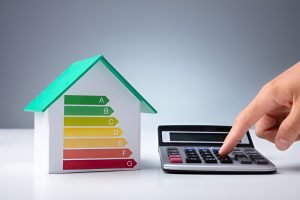
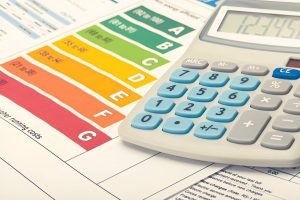
These certificates, which assess properties on a scale from A (most efficient) to G (least efficient), provide vital data for landlords, tenants, and buyers alike.
By quantifying energy performance, EPC facilitate informed decision-making, promoting energy conservation and sustainability.
Moreover, they help identify areas for improvement, potentially leading to significant cost savings on energy bills.
The implementation of EPC also aligns with broader governmental objectives aimed at reducing carbon emissions and enhancing overall environmental responsibility.
Therefore, understanding EPC is important for anyone involved in property transactions or management, as they contribute to both economic and ecological considerations.
Factors Influencing EPC Costs
The cost of obtaining an Energy Performance Certificate (EPC) can vary greatly based on several influencing factors.
Primarily, the complexity of the property plays a pivotal role; unique architectural features or unconventional layouts may necessitate additional analysis.
The location also markedly affects pricing, as urban areas often command higher fees due to increased demand for certified assessors.
Additionally, the experience and qualifications of the assessor can introduce variability; more seasoned professionals may charge premium rates for their expertise.
Time constraints imposed by property owners can also influence costs, as expedited services typically incur additional charges.
Understanding these factors allows property owners to anticipate and budget effectively for EPC expenses.
Property Size and Its Impact on EPC Pricing
Larger properties typically incur a higher Energy Performance Certificate cost due to the increased time and effort required for assessment. Assessors must evaluate more rooms, systems, and features, translating into a more intricate and time-consuming process. This complexity often results in elevated fees, compelling property owners to regard size as a critical factor when budgeting for an EPC.
| Property Size | Estimated Cost Range | Time Required |
|——————|———————-|——————|
| Small (1-3 beds) | £64.99| 1-2 hours |
| Medium (4 beds)| £79.99 | 2-3 hours |
| Large (5 beds) | £89.99 | 3-5 hours |
| Large (6 beds) | £119.99 | 3-5 hours |
Understanding these dynamics allows property owners to make informed financial decisions.
Location: How Geography Affects EPC Expenses
How does geography influence the costs associated with obtaining an Energy Performance Certificate (EPC)? The location of a property can greatly impact the expenses related to EPC assessments. Several factors contribute to this variation:
- Regional Demand: Areas with high demand for EP may see increased fees due to competition among assessors.
- Accessibility: Properties situated in remote or hard-to-reach locations often incur higher travel costs, leading to elevated EPC service fees.
- Local Regulations: Different regions may have varying compliance standards and associated costs that affect overall pricing.
Understanding these geographical influences is essential for property owners and investors aiming to navigate the complexities of EPC expenses efficiently.
Knowledge of these factors allows for better budgeting and strategic planning in real estate transactions.
Types of EPC Assessments and Their Costs
Geographical factors not only influence the costs associated with obtaining an Energy Performance Certificate (EPC) but also determine the types of assessments available.
Typically, there are two primary types of EPC assessments: residential and commercial. Residential assessments, which focus on individual dwellings, usually range from £70 to £120, depending on property size and complexity.
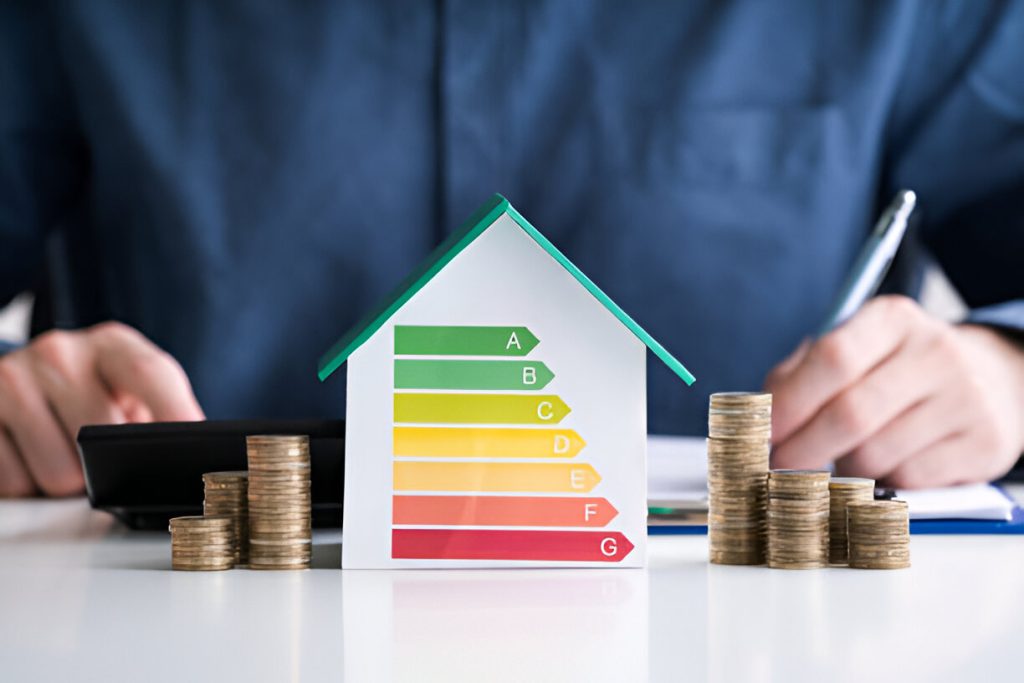
EPC assessments are categorized into residential and commercial, with costs varying based on property size and complexity.
Conversely, commercial assessments are more intricate, often costing between £300 and £600, influenced by the property’s size and energy usage. Additionally, specialized assessments may be required for unique properties, potentially incurring higher fees.
Understanding these distinctions aids property owners in budgeting effectively while ensuring compliance with energy performance regulations, ultimately enhancing property value and marketability.
Additional Costs Associated With EPC
Various additional costs can arise when obtaining an Energy Performance Certificate (EPC), which property owners should consider.
Understanding these expenses is vital for effective financial planning.
- Repair Costs: Properties may require upgrades or repairs to meet minimum energy efficiency standards, which can be costly.
- Assessment Fees: While base EPC costs are standardized, some assessors may impose additional fees for specific services or complex properties.
- Follow-up Assessments: If initial ratings are unsatisfactory, further assessments may be necessary, incurring more costs.
Being aware of these potential expenses enables property owners to budget effectively and guarantees compliance with energy regulations, ultimately enhancing the property’s marketability and sustainability.
Tips for Reducing EPC Costs
While managing the costs associated with obtaining an Energy Performance Certificate (EPC), property owners can implement several strategies to minimize expenses.
First, conducting a preliminary energy audit can identify inefficiencies and necessary upgrades before the official assessment, allowing for informed improvements that enhance energy performance.
Additionally, property owners should compare multiple providers to secure competitive pricing, as costs for EPC assessments can vary considerably.
Moreover, scheduling assessments during off-peak seasons may result in lower fees.
Engaging in DIY energy efficiency measures, such as sealing drafts and upgrading insulation, can also bolster a property’s EPC rating, potentially avoiding costly recommendations.
Finally, staying informed about local regulations can guarantee compliance without incurring unnecessary costs or delays.
Frequently Asked Questions
How Long Is an Energy Performance Certificate Valid?
An energy performance certificate (EPC) remains valid for ten years. After this period, property owners must obtain a new certificate to reflect any changes in energy efficiency and compliance with updated regulations. Regular assessments are advisable.
Can I Appeal My EPC Rating?
An individual can appeal their Energy Performance Certificate (EPC) rating if they believe it inaccurately reflects their property’s energy efficiency. This process typically involves submitting evidence to support the claim and may require professional assessment.