EPC Pricing 2025 is becoming an important consideration for homeowners and landlords alike. While the average cost of obtaining an Energy Performance Certificate in 2025 is expected to range between £70 and £150 due to increased demand and tighter regulations, our EPC services start from just £64.99. Factors such as property size and location still play a role in final pricing, but we remain committed to offering affordable, compliant solutions. Understanding the nuances of EPC assessments is key to making informed property decisions in today’s market.
Key Takeaways
- Average EPC costs in 2025 are projected to range between £70 and £150 due to increased demand and regulatory requirements; however, our EPC services start from just £64.99.
- Property size, location, and complexity significantly influence the assessment fees for Energy Performance Certificates.
- Urban areas typically face higher EPC pricing compared to rural regions due to demand and operational costs.
- Higher EPC ratings can enhance property marketability and value, potentially offsetting assessment costs in the long run.
- Staying informed about regional pricing trends can help homeowners make cost-effective decisions regarding energy efficiency improvements.
Understanding Energy Performance Certificates (EPCs)
Although Energy Performance Certificates (EPCs) might seem like just another regulatory requirement, they serve an essential role in evaluating the energy efficiency of buildings.
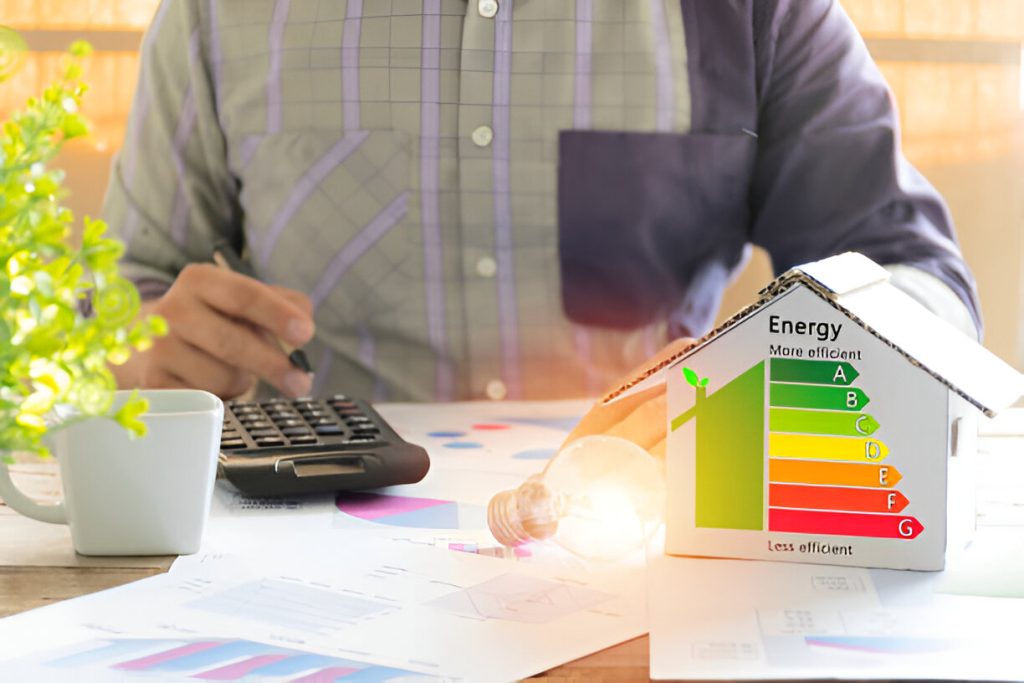
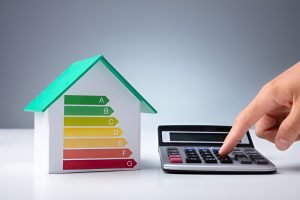
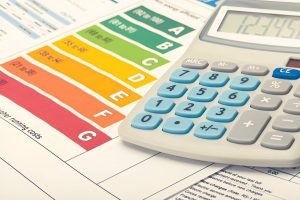
These certificates provide a standardized assessment, rating a property’s energy performance on a scale from A to G, with A being the most efficient.
EPCs offer a clear rating system for energy performance, ranging from A to G, highlighting efficiency levels in properties.
EPCs are vital for informing potential buyers or tenants about a building’s energy consumption and environmental impact. Additionally, they highlight areas for improvement, fostering sustainable practices and compliance with energy regulations.
The information contained in an EPC can be instrumental in reducing operational costs and enhancing a property’s marketability.
As a result, understanding EPCs is fundamental for property owners and stakeholders seeking to optimize energy performance and minimize ecological footprints.
Factors Influencing EPC Costs
Several factors influence the costs associated with obtaining an Energy Performance Certificate (EPC), making it essential for property owners to understand these variables. Key elements include property size, location, and the complexity of the energy assessment.
| Factor | Description | Impact on Cost |
|—————————|———————————————–|——————————|
| Property Size | Larger properties require more detailed analysis | Higher costs for larger properties |
| Location | Urban areas may have higher fees than rural areas | Variability in pricing |
| Complexity of Assessment | Properties with unique features may require extra evaluations | Increased costs for complexity |
| Type of Property | Residential vs. commercial properties differ in assessment requirements | Cost differential |
| Certification Body | Different providers may charge varying fees | Impact on overall pricing |
Average EPC Pricing Trends for 2025
What can property owners expect regarding EPC pricing trends in 2025? As the demand for Energy Performance Certificates (EPCs) continues to rise, pricing is projected to experience a moderate increase.
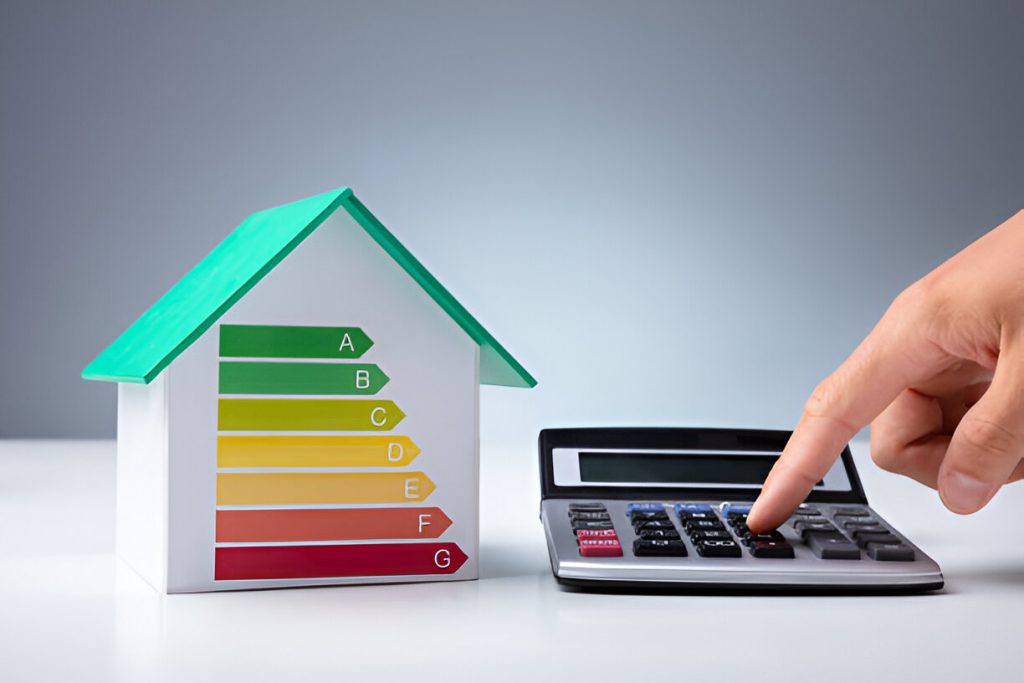
Analysts suggest that this trend will be influenced by heightened regulatory requirements and an increased focus on sustainability. The average cost of obtaining an EPC is anticipated to range between £70 and £150, reflecting both the complexity of the property and the qualifications of the assessor.
Additionally, technological advancements may streamline the assessment process, potentially offsetting costs. Property owners are encouraged to stay informed about these trends, as proactive measures can enhance energy efficiency and reduce overall expenses in the long term.
Regional Variations in EPC Pricing
As the landscape of EPC pricing evolves, regional variations play a significant role in determining costs across different areas. Factors such as local market demand, the availability of qualified assessors, and regional economic conditions contribute to discrepancies in pricing.
Urban areas often experience higher EPC costs due to increased demand and operational expenses, while rural regions may benefit from lower prices driven by reduced competition and lower overheads.
Additionally, regional policies and incentives can influence pricing structures, with some areas offering subsidies that affect overall costs. Understanding these regional dynamics is essential for stakeholders aiming to navigate the complexities of EPC pricing effectively, ensuring informed decisions aligned with local market conditions.
Cost Implications of EPC Assessments for Homeowners
How do EPC assessments impact homeowners financially? The costs associated with obtaining Energy Performance Certificates (EPCs) can greatly influence a homeowner’s budget and investment decisions.
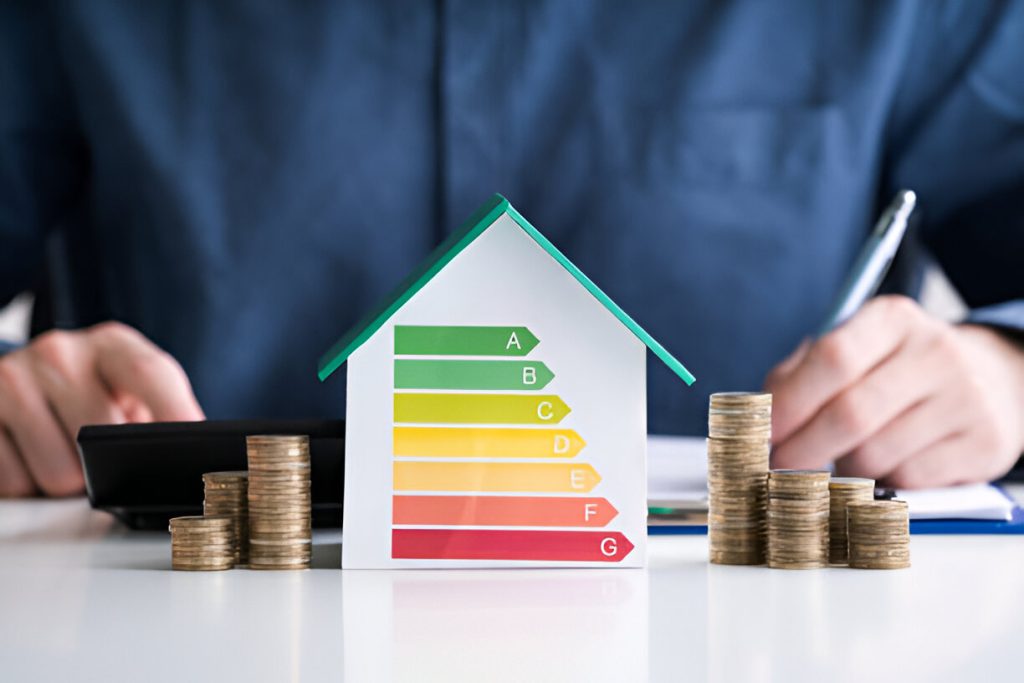
These assessments, while necessary for compliance and energy efficiency, entail various financial implications, including:
- Assessment Fees: Costs can vary depending on the property type and location.
- Potential Upgrades: Homeowners may need to invest in energy-efficient improvements to enhance their EPC rating.
- Market Value: A higher EPC rating can positively affect property marketability and value.
- Long-term Savings: Improved energy efficiency can lead to reduced utility bills.
- Regulatory Penalties: Non-compliance with EPC requirements may result in fines or reduced rental income.
Understanding these factors is essential for homeowners maneuvering the EPC landscape.
Preparing for EPC Costs: Tips and Strategies
Preparing for EPC costs requires careful planning and strategic decision-making to mitigate financial impacts. Homeowners should conduct a thorough assessment of their properties to identify potential energy efficiency improvements, prioritizing areas that will yield the highest returns on investment.
Engaging with certified assessors early in the process can provide valuable insights into specific requirements and costs. Developing a budget that accommodates both assessment fees and necessary upgrades is essential, as is exploring available grants and incentives to offset expenses.
Homeowners should also remain informed about regulatory changes affecting EPC pricing to anticipate future costs. By implementing these strategies, individuals can effectively manage their EPC-related expenditures and enhance their property’s energy performance.
The Future of Energy Efficiency and EPCs
The future of energy efficiency and Energy Performance Certificates (EPCs) is poised to evolve markedly amidst growing environmental concerns and advancements in technology.
The evolution of energy efficiency and EPCs is driven by environmental concerns and technological advancements.
Stakeholders anticipate significant changes that will influence the industry’s landscape and consumer behavior. Key trends include:
- Increased regulatory frameworks mandating higher efficiency standards.
- Integration of AI and IoT for real-time energy monitoring.
- Enhanced data analytics to provide tailored energy solutions.
- Greater public awareness is driving demand for sustainable housing.
- Development of innovative financing models to support energy-efficient upgrades.
These developments will not only reshape EPC assessments but also elevate energy performance as a critical factor in property valuation, ultimately fostering a more sustainable built environment.